The courtroom is heating up, and all eyes are on Sean “Diddy” Combs. As federal prosecutors in the Southern District of New York prepare for what’s shaping up to be one of the biggest celebrity trials in recent history, the jury selection process is already drawing headlines—and serious legal strategy.
This isn’t just another high-profile case; this is legal warfare in a media storm, where both sides are laser-focused on jury bias, venue control, and strategic plays that could decide the fate of a music mogul.
Let’s break down everything going on behind the scenes—from jury selection mechanics to Diddy’s defense strategy, to why the Southern District isn’t playing any games.
Welcome to the “Countdown to Chaos”
From the outside, this may look like just another celebrity legal case. But inside the Southern District courthouse, it’s something else entirely.
Federal prosecutors believe that Diddy’s legal team is exploring every avenue possible to delay or relocate the upcoming trial. One potential strategy? Skewing jury selection. But the prosecution is ready. Officials have issued a strong message to all potential jurors: be 100% honest when filling out your questionnaires—because one lie could tip the balance of the entire case.
This isn’t just about Diddy—it’s about the credibility of the justice system under pressure, public scrutiny, and media saturation.
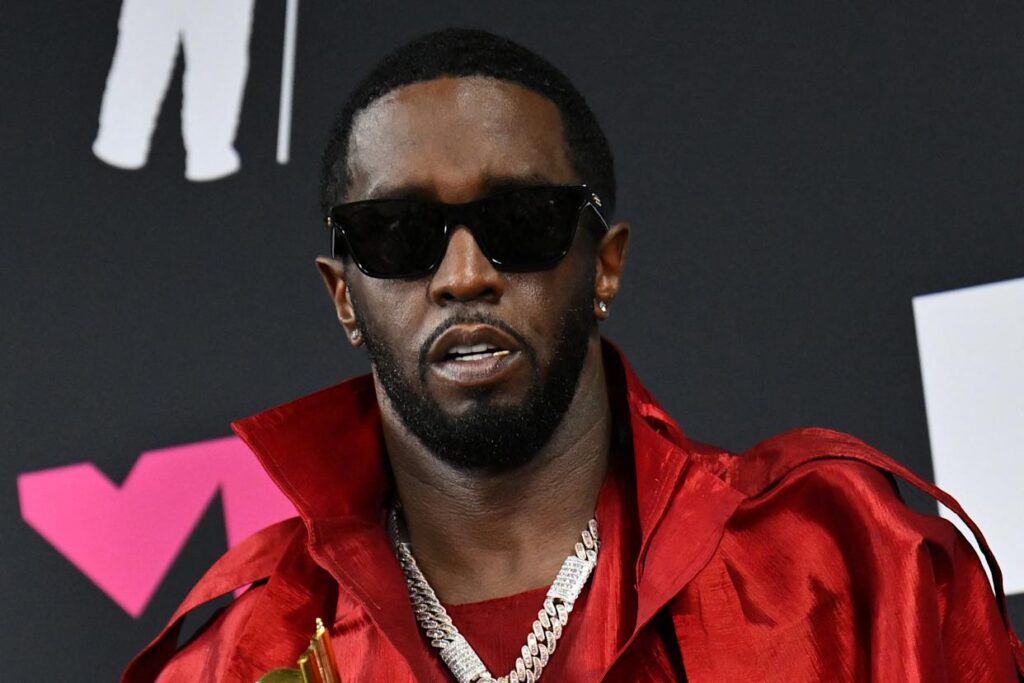
The Southern District’s Game Plan
One thing is clear: the Southern District of New York (SDNY) isn’t here to play. Prosecutors are bracing for courtroom tactics and distractions, but they’re holding firm. They’re preparing to question and evaluate hundreds of potential jurors, with the goal of ensuring a fair and unbiased trial.
The SDNY has seen some of the country’s most significant cases—from mob bosses to Wall Street criminals. Now, they’re tackling the entertainment industry’s elite.
How Jury Selection Really Works in Federal Court
Let’s talk logistics. In federal trials—especially high-profile ones like this—jury selection isn’t quick or simple.
The process starts with a random pool of names pulled from DMV records, voter registrations, and tax filings. These people are summoned to appear in court. But for cases of this magnitude, we’re not talking about a handful of individuals. We’re talking 300 to 500 people.
That’s right. In a trial like Diddy’s, the court will summon hundreds of people over multiple days in waves, or what prosecutors call “panels”—typically 50 to 100 at a time. Each panel is carefully vetted.
Why so many? Because in a high-stakes, celebrity-driven trial, countless potential jurors will be dismissed due to bias, hardship, language barriers, or conflicting obligations.
But make no mistake: people want in on this jury—and for good reason.
Why Serving on Diddy’s Jury Could Be Lucrative
Beyond the legal impact, there’s real financial incentive here. In high-profile trials, jurors can later profit by writing books, giving interviews, or selling their stories—especially if the verdict is controversial or unexpected.
If Diddy is acquitted, for example, jurors could find themselves at the center of media deals, book contracts, and television appearances. Even just a firsthand account of the trial could earn a juror a substantial payout.
This level of exposure could skew motivations—and the court knows it.

How Voir Dire Exposes Hidden Bias
The most important phase of jury selection is called voir dire, which literally means “to speak the truth.” It’s when the judge and lawyers ask potential jurors questions to gauge whether they’re fit to serve impartially.
In the Southern District, however, there’s a twist.
Unlike many other courts, the judge controls voir dire. Lawyers from both sides can suggest questions, but they don’t get free rein to interrogate jurors. This limits the defense’s ability to manipulate the process—but it also means they have to be surgical and strategic in the questions they do get.
And in Diddy’s case, that’s especially critical.
Why Diddy’s Team May Be Playing a Risky Game
There’s already tension between the court and Diddy’s defense team, stemming from earlier allegations that the team misled the judge about protected attorney-client information. While the court allowed things to proceed, trust was likely damaged.
That matters—because trust with the judge can influence how much leeway the defense gets during voir dire and throughout the trial.
Two Types of Jury Strikes—And How They’re Used
During voir dire, both sides are allowed to strike jurors, either with:
- Challenges for Cause – If a juror clearly shows bias (e.g., “I hate celebrities,” or “I already think Diddy’s guilty”), the judge can remove them.
- Peremptory Challenges – Each side gets a limited number (usually 6–10 in federal court) and can remove jurors without explanation—as long as they’re not discriminating based on race or gender.
In practice, lawyers often use peremptory strikes to shape the jury’s demographics and psychology to their advantage. And yes—they play chess, not checkers.
What Diddy’s Team Is Looking For
Diddy’s attorneys are watching everything—from facial expressions to eye rolls to subtle body language. They’re flagging:
- People who follow gossip blogs or tabloid news
- Anyone who appears starstruck or hostile when Diddy’s name is mentioned
- Jurors with strong opinions about wealth, race, gender-based violence, or celebrity culture
- Superfans or vocal critics who might sway deliberations
Their goal? Build a jury sympathetic to Diddy, or at the very least, divided enough to force a hung jury.
The Questionnaire: A Legal Deep Dive Into Potential Jurors
Before voir dire even begins, each potential juror must complete a detailed questionnaire—and it’s no joke. We’re talking about:
- Personal background (age, marital status, children, education)
- Employment history and financial situation
- Prior experience with the legal system (arrests, jury service, etc.)
- Social media usage and preferred news sources
- Attitudes toward police, justice, celebrity culture, and high-profile defendants
Both sides submit suggested questions, but ultimately the judge decides what makes the final cut.
Detecting Dishonesty Before It’s Too Late
One key reason these questionnaires matter? They help both sides detect bias early. If someone lies—claiming they don’t use social media, for example—but later their Twitter account is discovered filled with anti-Diddy posts, that could be grounds for dismissal or even a mistrial later on.
Diddy’s team is undoubtedly archiving tweets, Reddit threads, and headlines that could poison the jury pool. Their argument: he’s already being tried in the court of public opinion.
And that’s not just PR—it’s a real legal issue.
Can Diddy Delay the Trial or Change the Venue?
Absolutely—and it’s likely part of the strategy.
If the media coverage continues to explode, Diddy’s team could file a motion to delay the trial or even change the venue, arguing that:
- The jury pool has been irreparably biased by pre-trial publicity
- Media saturation has made a fair trial impossible in New York
- Viral content, headlines, and public opinion are polluting due process
In rare but extreme cases, such as the Boston Marathon bombing or the Rodney King trial, courts have granted venue changes for this exact reason.
But it’s not easy.
The Court’s Commitment to a Fair Trial
Despite the celebrity and the chaos, the court’s responsibility remains clear: ensure a fair and impartial trial. That means using every tool at their disposal to build a jury free from hidden agendas or undue influence.
They know that Diddy’s legal team is watching their every move—and vice versa. This isn’t just a legal battle. It’s also a psychological war over perception, credibility, and influence.
Why This Trial Is Bigger Than One Man
This isn’t just about Diddy’s guilt or innocence.
This case—through its scale, visibility, and cultural weight—represents a broader conversation about:
- How the justice system handles celebrity defendants
- Whether fame can buy fairness—or prevent it
- The impact of social media on modern trials
- And the ever-blurring line between legal facts and public opinion
And in the middle of it all are 12 jurors—ordinary citizens tasked with making a decision that could alter the course of a celebrity’s life and potentially influence public trust in the legal system.
Final Thoughts: The Legal Super Bowl Is Here
As jury selection begins, everyone—from legal analysts to entertainment insiders—is watching closely. This trial could be more explosive than the Super Bowl, more dramatic than reality TV, and more consequential than any verdict we’ve seen in years.
And it all starts with who makes it into that jury box.
So, buckle up. This isn’t just a case—it’s a moment in legal and cultural history.
Stay tuned. We’ll be back tomorrow with live updates from Day 1 of jury selection.
This is the Countdown to Chaos—and it’s only just beginning.