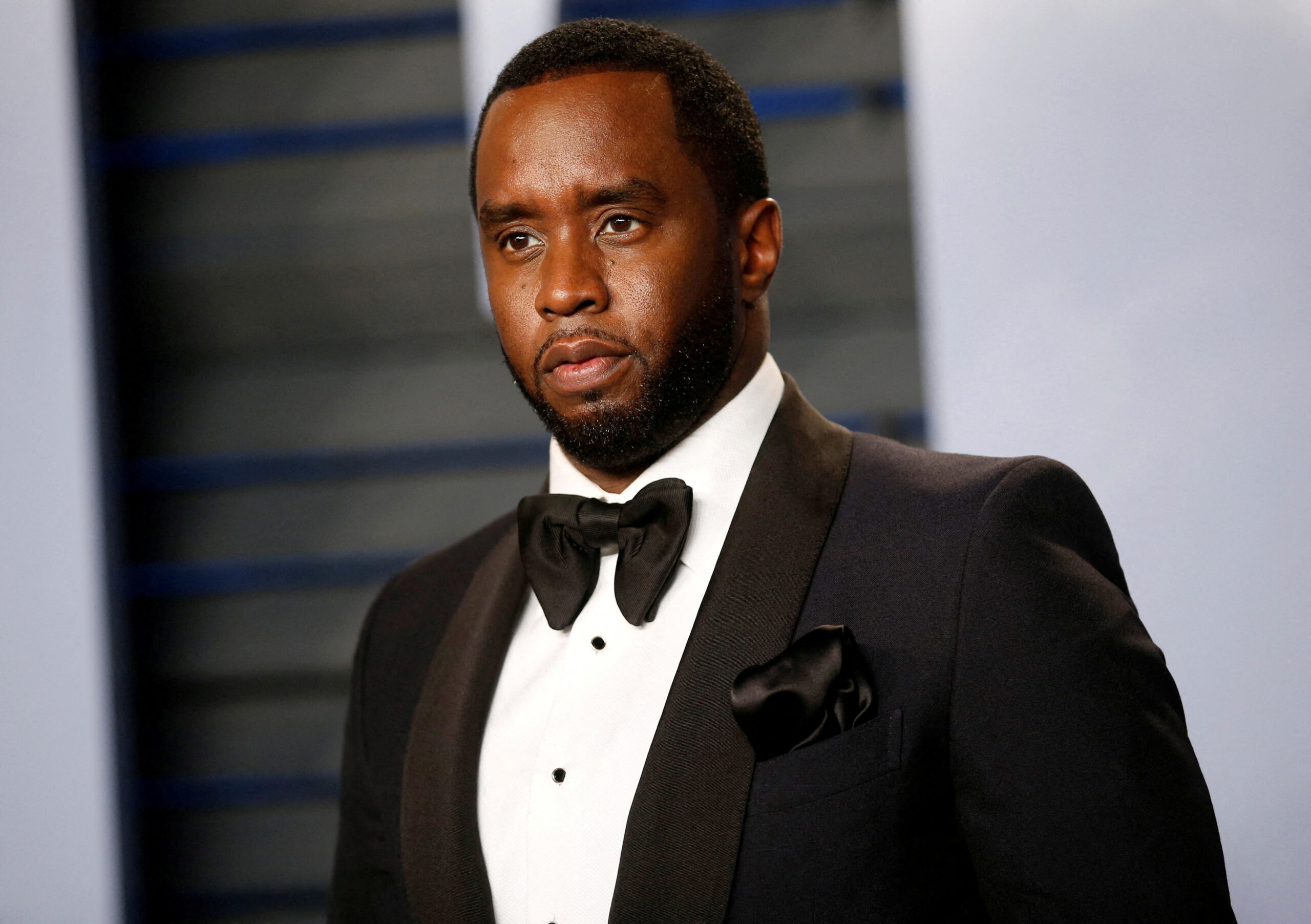
The courtroom drama surrounding Sean “Diddy” Combs is intensifying, and it’s not just about legal arguments or courtroom evidence. Behind the scenes, a strategic media campaign, high-profile legal maneuvering, and questions about ethics, jury influence, and the integrity of the trial are swirling like a storm. At the center of this media-legal whirlwind stands celebrity attorney Mark Geragos, whose actions are raising eyebrows across the legal community—and could, ironically, end up hurting the very man he’s trying to defend.
Let’s break it all down.
The Disappearing Juror and the TMZ Connection
Things took a wild turn when juror number three allegedly disappeared and then reportedly reached out to TMZ with a shocking claim: they never wanted to testify and didn’t even fully understand what the case was about. That kind of chaos is already concerning in any trial, but especially in one this high-profile.
Meanwhile, Diddy’s son, Justin Combs, posted a cryptic message on social media: “Thank you God for our daily bread.” For many watching the case unfold, it sounded like a signal of confidence—possibly indicating inside knowledge or just spiritual hope amid turmoil.
But if Diddy is hoping for divine intervention or a hung jury, legal analysts remind us of one key fact: he only needs one sympathetic juror to walk free. One. And based on what’s happening behind the scenes, it looks like his defense team is working overtime to exploit every possible angle.
Mark Geragos: Advocate or Liability?
Celebrity lawyer Mark Geragos, long known for his high-profile defense cases, is now under scrutiny—not just by prosecutors, but by the judge presiding over Diddy’s trial, and even legal experts weighing in through the media.
What’s the issue? Geragos is currently co-hosting a podcast, Two Angry Men, with TMZ’s Harvey Levin. And according to prosecutors and legal experts, Geragos may be walking a fine line—one that could ultimately lead to grounds for an appeal, should Diddy be convicted.
A recent segment on TMZ Live featured LA County Deputy District Attorney Kristen Brown-Neal, who emphasized just how risky this media campaign really is. Judge Aaron Subramanian already issued a warning to Geragos about staying in line, and Brown-Neal believes Geragos is taking an overly narrow interpretation of legal precedent, claiming that defendants and their attorneys have a right to speak publicly.
But Brown-Neal isn’t convinced. In her view, Geragos’ public commentary may taint the jury pool, introduce bias, and—worst of all—pave the way for a potential ineffective counsel appeal if things go south for Diddy in court.

Public Relations vs. the Rule of Law
Let’s be clear: defending your client is one thing. Launching a parallel PR campaign in the middle of a federal trial is another.
According to Brown-Neal, prosecutors are not just fighting for a conviction—they’re also fighting to protect it from being overturned. That means they must avoid anything that could be interpreted as misconduct, prejudice, or unfair influence. And Geragos’ podcast comments are now firmly in the crosshairs.
Harvey Levin, no stranger to legal controversy himself, may think he’s just doing his job as a journalist and podcast host. But when you’re simultaneously broadcasting inflammatory or legally sensitive commentary about an ongoing trial—and you’re closely affiliated with the defendant’s legal team—the lines between journalism, advocacy, and interference get dangerously blurred.
Diddy’s Alleged Playbook: Poison the Well, Press Reset
Here’s where things get interesting—maybe even diabolical.
Some believe Diddy is hedging his bets, playing both offense and defense. If the defense case doesn’t go well, and the jury returns a guilty verdict, all Geragos has to do is say something controversial, let it go viral through his podcast, and then point to that media circus as having influenced the trial.
Think about it: Geragos makes a comment. Harvey Levin boosts it on TMZ. It becomes headline news. Then Diddy’s team argues: “See? This media bias poisoned the jury. That’s why I was convicted.”
Boom—grounds for appeal.
Whether this is the intentional strategy or a worst-case backup plan, the optics are damning. It appears Diddy and his team have a Plan A, B, C, and D in place, and Geragos is the linchpin. He plays the provocateur. He leaks strategically. He frames the conversation. And if things fall apart, he becomes the scapegoat—a brilliant one, no less, because any mistake he makes could be spun as part of Diddy’s “ineffective counsel” claim.
Judge Subramanian Isn’t Amused
The judge has clearly had enough. He issued a stern warning to Geragos: “I’m going to be watching and I’m going to be listening.”
To which Geragos flippantly responded, “That’s fine, as long as you press subscribe.”
The judge’s deadpan response? “I got you. Subscribe.”
It might have been funny if the stakes weren’t so high. But in a courtroom where people’s lives and reputations hang in the balance, that kind of glibness doesn’t play well.

Racism, Misogyny, and Media Manipulation
Another troubling point: Geragos reportedly referred to the prosecution team as a “six-pack of white women”—a term that prosecutors found not only misogynistic but racially charged.
Critics say this type of language isn’t just offensive—it’s calculated. It plays into base-level stereotypes, tries to trigger emotional reactions, and reinforces divisive narratives. The implication is that Diddy’s legal team is appealing not just to the court of law, but to the court of public opinion—especially those already skeptical of institutional justice systems.
This tactic—portraying the prosecution as racially and culturally out-of-touch—may work for PR. But in court, it’s reckless and offensive.
Prosecutors Represent the People
Let’s not forget who the prosecution represents: us. The people.
Their job isn’t just to win a case—it’s to protect society. To hold those accountable who are seen as threats or dangers. When someone is accused of crimes like trafficking, abuse, or violence, prosecutors act as the voice of the victims and the community.
That’s why Kristen Brown-Neal’s words ring so true: it’s not fair for Diddy’s team to flood the media while prosecutors are expected to remain silent under ethical constraints. It creates an imbalance. One side gets to spin, while the other side is bound by professional decorum.
The Jury is Watching—So Is the World
The jury has now been selected—45 people were screened and a pool narrowed to 12 jurors and six alternates. Opening arguments are set to begin soon. But with media saturation this intense, how can we be sure those jurors aren’t being swayed?
In such a public case, everyone involved has to be extra careful. The court isn’t just trying to deliver a verdict; it’s trying to ensure that verdict stands up on appeal. One misstep from someone like Geragos could unravel months—maybe years—of work.
And that’s not paranoia. It’s precedent.

Is Diddy the Mastermind—or Just Desperate?
Depending on how you view it, Diddy is either a tactical genius or a man backed into a corner, grasping at any legal loophole he can find. Maybe both.
He’s leveraging everything—legal muscle, media influence, public perception. He’s using his podcasting attorney to do what courtroom attorneys can’t. He’s creating a backup strategy in case the jury doesn’t swing his way.
And if all else fails, he may argue that the process was flawed, the jury biased, the media poisoned, and his defense compromised by the very man he hired.
It’s manipulative. It’s brilliant. It’s dangerous.
Final Thoughts: This Trial Is Bigger Than Diddy
This trial isn’t just about whether Diddy is guilty or innocent. It’s about power. Media. Influence. The blurred lines between advocacy and manipulation. It’s about how far a wealthy, well-connected defendant can go to shape public narrative—possibly at the expense of justice itself.
Prosecutors are learning that they’re not just arguing a case; they’re fighting a PR war. And while the law might be on their side, public opinion is harder to control—especially when your opponent has the TMZ microphone.
Whatever happens in that courtroom, this case is a wake-up call for everyone involved in high-profile litigation. The rules of engagement are changing, and the justice system has to evolve with it.
Because when lawyers start podcasting about their own cases, and jurors are disappearing and speaking to tabloids, we’re not just watching a trial.