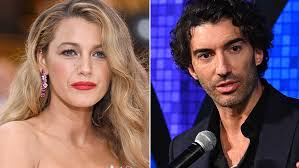
The legal dispute between Blake Lively and Justin Baldoni has grown into one of the most intense and closely watched celebrity battles in recent memory, a conflict that has moved far beyond simple disagreements or on-set misunderstandings. What began quietly has now evolved into a full-scale courtroom showdown that has lasted nearly a year and continues to build momentum with no sign of slowing down. The fight, which centers on Lively’s sexual harassment and retaliation lawsuit, has introduced a stream of filings, leaked private conversations, dismissed counterclaims, and contentious public reactions, shaping a narrative that feels as dramatic and emotionally charged as any Hollywood production.
The latest development came with a Dec. 4 filing in which Blake Lively’s legal team pushed back hard against Justin Baldoni’s attempt to avoid a jury trial. His lead counsel filed a motion seeking to have the dispute resolved in his favor through summary judgment, a move that would remove the case from the hands of jurors and potentially silence much of the evidence Lively wants to present. But Lively’s side insists she has every right to a full trial and argues that Baldoni is trying to sidestep accountability. According to her team, the push for a non-jury resolution reflects a broader pattern of behavior—one in which Baldoni and Wayfarer Studios CEO Jamey Heath exerted significant power over her during production and used that power with a sense of entitlement and impunity.
Lively’s lawyers describe the environment on the set of “It Ends With Us” as one where Baldoni and Heath functioned as both creative authorities and workplace overseers, holding multiple roles that gave them direct control over her daily experience. The filing paints a picture of a structure where the two men controlled everything from her filming schedule to her salary, managed the set each day, and assumed responsibility for handling HR concerns—essentially combining managerial, directorial, and supervisory power. Her attorneys argue that despite Lively’s fame, she was in a vulnerable position because these men held consolidated authority that shaped her working conditions and influenced how complaints or concerns were addressed.
Lively filed her lawsuit in late 2024, alleging that Baldoni engaged in inappropriate sexual conduct both during filming and outside of professional settings. She also claims that when she raised concerns, Baldoni and Heath participated in launching a retaliatory smear campaign designed to undermine her credibility and shift the attention away from their actions. Her lawyers describe the efforts against her as coordinated and deliberate, accusing Baldoni’s team of “throwing the kitchen sink” at her allegations in an attempt to discredit her before the case could reach a jury.
The case took on a more complicated dimension when a 2022 private conversation between Lively and Baldoni resurfaced through reporting by People. The conversation took place at Lively’s New York apartment while she was pregnant, and it involved a discussion about whether her unborn child would be circumcised. Baldoni reportedly volunteered information about his own circumcision, even though the detail was not directly solicited. In his later account, Baldoni emphasized that the environment at the time was casual and full of people coming and going—Ryan Reynolds being present intermittently, nannies moving through the space, Lively’s assistants working nearby, and household staff in motion. He described the two of them sitting on the couch amidst the commotion, suggesting that the context of the moment has been misrepresented or exaggerated. He insisted that he does not generally discuss his genitalia with colleagues and seemed troubled that the conversation had been drawn into the legal case at all.
The resurfacing of this conversation was only one part of the growing tension. Soon after, court documents and media reporting revealed something more explosive: Baldoni had compared Lively’s behavior to what he called “the Taylor Swift playbook.” The messages, reportedly sent to a group of friends that included actor Rainn Wilson and musician Andy Grammer, showed him venting after a January 3 meeting that he described as emotionally overwhelming. In the messages, he expressed fear that if Lively chose not to promote the film, she could frame him as unsafe or harmful, and he believed she could weaponize any information she had against him. The reference to Taylor Swift immediately caught public attention, especially because Swift is known for standing up for herself and shaping narratives around mistreatment, power imbalances, and personal boundaries. By invoking a phrase like “the Taylor Swift playbook,” Baldoni appeared to suggest that Lively could strategically cast herself as a victim, a comment that many found dismissive and deeply revealing in terms of how he viewed her motivations.
This leaked exchange added significant emotional charge to the dispute. To Lively’s supporters, the messages suggested that Baldoni saw her not as a colleague expressing legitimate concerns but as a threat—someone capable of manipulating public perception. To Baldoni’s defenders, the messages reflected a man under intense stress, reacting in private to a situation he believed was spiraling unfairly. Regardless of interpretation, the messages have become a central part of the narrative because they highlight the distrust and emotional volatility that now define their relationship.
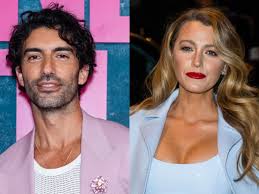
The situation became even more complex when Baldoni filed a counterlawsuit accusing Lively of extortion. He alleged that her claims were not just false but were part of a broader effort to coerce or pressure him. However, that case did not survive judicial scrutiny. In June, a judge dismissed the extortion claim, ruling that Baldoni’s allegations did not meet the legal threshold, though his team was initially allowed an opportunity to revise the complaint. By October, the counterclaim was fully terminated, leaving Lively’s allegations as the primary legal issue moving forward. The dismissal of the counterclaim dealt a significant blow to Baldoni’s legal strategy and reinforced the forward motion of Lively’s lawsuit, which is now headed toward a trial scheduled for March 9, 2026.
What makes this dispute especially captivating is the contrast between public personas and private allegations. Both Lively and Baldoni have cultivated reputations that emphasize integrity, compassion, and emotional intelligence. Lively is admired for her humor, her family life, her long-standing professional relationships, and her carefully curated public image. Baldoni has built his brand on messages of vulnerability, gender equality, and emotional honesty, often positioning himself as an advocate for healthier masculinity through his books, interviews, and media projects. The clash between these two carefully built identities has created a type of cognitive dissonance for many observers. It has forced the public to consider the possibility that the positive images cultivated by celebrities can overshadow or obscure deeper, more complicated realities behind the scenes.
The film at the center of the dispute—“It Ends With Us”—adds another layer of irony. The story, originally written by Colleen Hoover, deals heavily with themes of trauma, manipulation, and power imbalances. That a story about emotional complexity and harm would become associated with a real-life legal battle involving allegations of inappropriate conduct and retaliation has not gone unnoticed by fans or critics. The situation feels almost symbolic, as if the tension within the film’s narrative seeped into the production itself.
Even though much of the evidence remains sealed or in progress, the filings we do have provide glimpses into a working relationship that deteriorated rapidly and dramatically. Lively’s team frames the situation as one in which power was misused and boundaries were crossed, leaving her to navigate a workplace where she felt unsafe and unsupported. Baldoni’s side portrays the situation as a misunderstanding amplified into a crisis, driven by fear, miscommunication, and what he believes are unfair accusations. The divide between these perspectives grows sharper with each new filing, each leaked message, and each media report, ensuring that the trial will likely be contentious and emotional.
The scheduled trial in 2026 gives both sides over a year to prepare, gather more evidence, and possibly engage in further public exchanges, though Lively’s insistence on a jury trial suggests she is intent on making her case as transparent and public as possible. With the counterclaim dismissed and her lawsuit moving forward unimpeded, her legal team appears confident in their position. Baldoni, meanwhile, faces the challenge of defending not only his actions but also the internal messages that have already shaped public perception.
As this legal battle continues, it raises broader questions about Hollywood’s handling of workplace dynamics, gendered narratives, and the complicated intersection between celebrity image and personal accountability. The dispute demonstrates how difficult it can be to separate artistic collaboration from personal friction, and how quickly a professional partnership can collapse when trust erodes. It also highlights the power of private conversations, informal comments, and behind-the-scenes dynamics in shaping both legal arguments and public opinion.
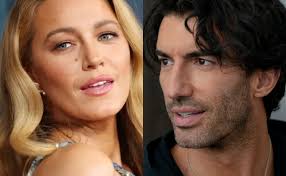
With each new development, the story grows more layered, more personal, and more symbolic of the shifting cultural landscape in which allegations of misconduct are taken seriously, but also intensely scrutinized. The eventual outcome of the trial will determine the legal consequences for those involved, but the reputational effects may already be taking shape. Fans who once celebrated the collaboration between Lively and Baldoni now find themselves witnessing a deeply painful and public unraveling. Until the case moves into the courtroom in 2026, the legal filings and public disclosures will continue to shape the narrative, but the full truth—whatever it may be—awaits its moment before the court and the jury that will ultimately decide what happened and who is responsible.
If you want an alternate version, a longer version, or a more dramatic or journalistic tone, I can create that too.